Windshield ADAS Camera Recalibration in Houston and Surrounding Areas
Windshield ADAS camera recalibration in Houston
Choose your service
- Ask about windshield-mounted ADAS camera recalibration. AAR offers mobile recalibration for $250 on applicable vehicles.
- Whether calibration is required, and which procedure applies, depends on the vehicle manufacturer’s current repair instructions. A lack of warning lights does not establish that calibration is unnecessary.
Request your quote
- Have your year, make, model, complete VIN and service location ready.
- Tell us whether windshield replacement is planned or completed, and mention any camera or driver-assistance warnings.
- Use the quote form on this page, call 832-303-0318 or email info@aarautoglass.com.
Confirm your appointment
- Confirm vehicle eligibility, the required procedure and site conditions. On-site and same-day availability require review.
- Confirm the total price, any location-related charge, appointment date and arrival window.
Confirm ADAS service for your vehicle
Use the vehicle-service links below to tell us what you drive. We’ll review your year, make, model and complete VIN and confirm whether we can perform the manufacturer’s required calibration procedure before scheduling.
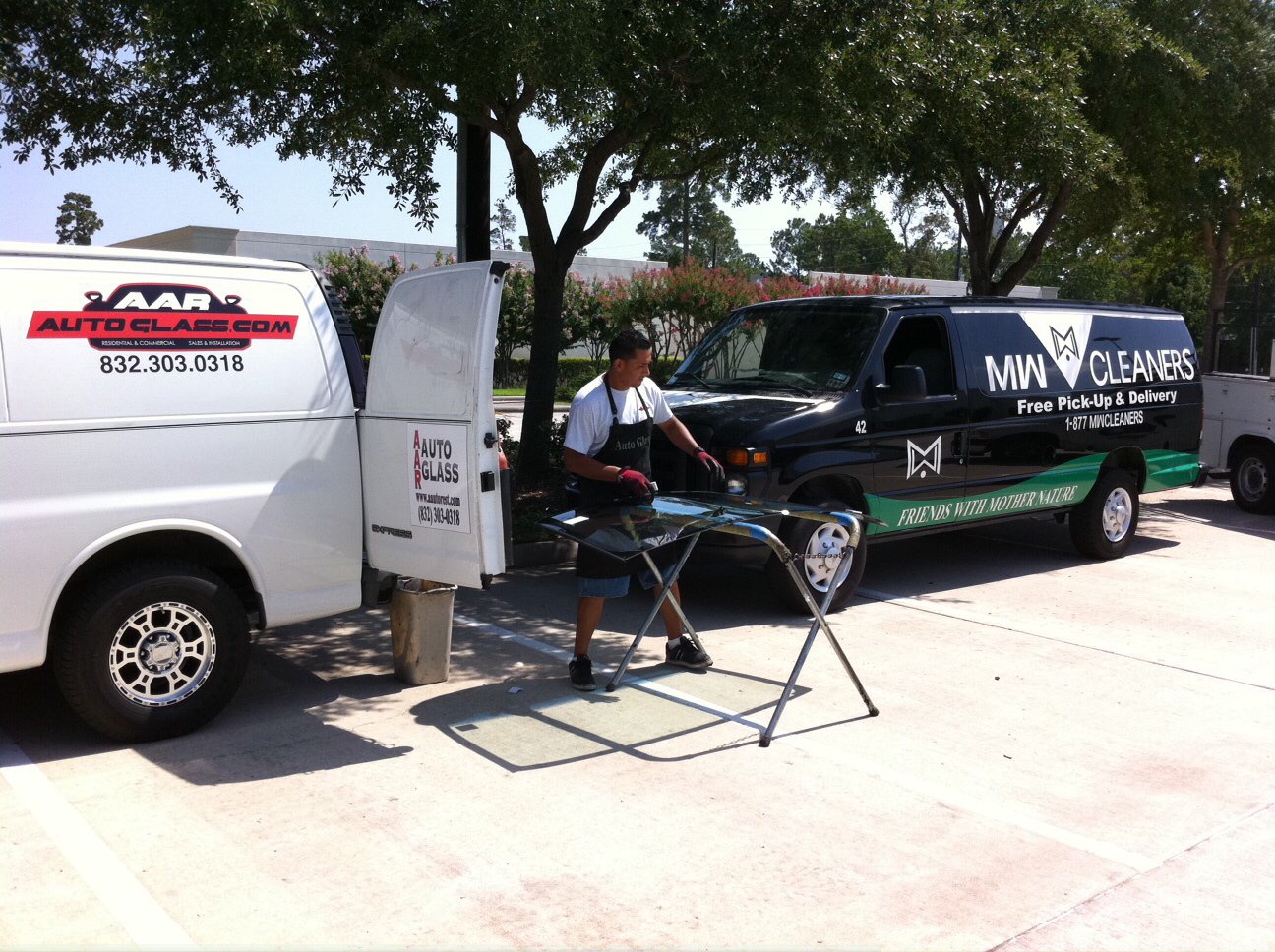
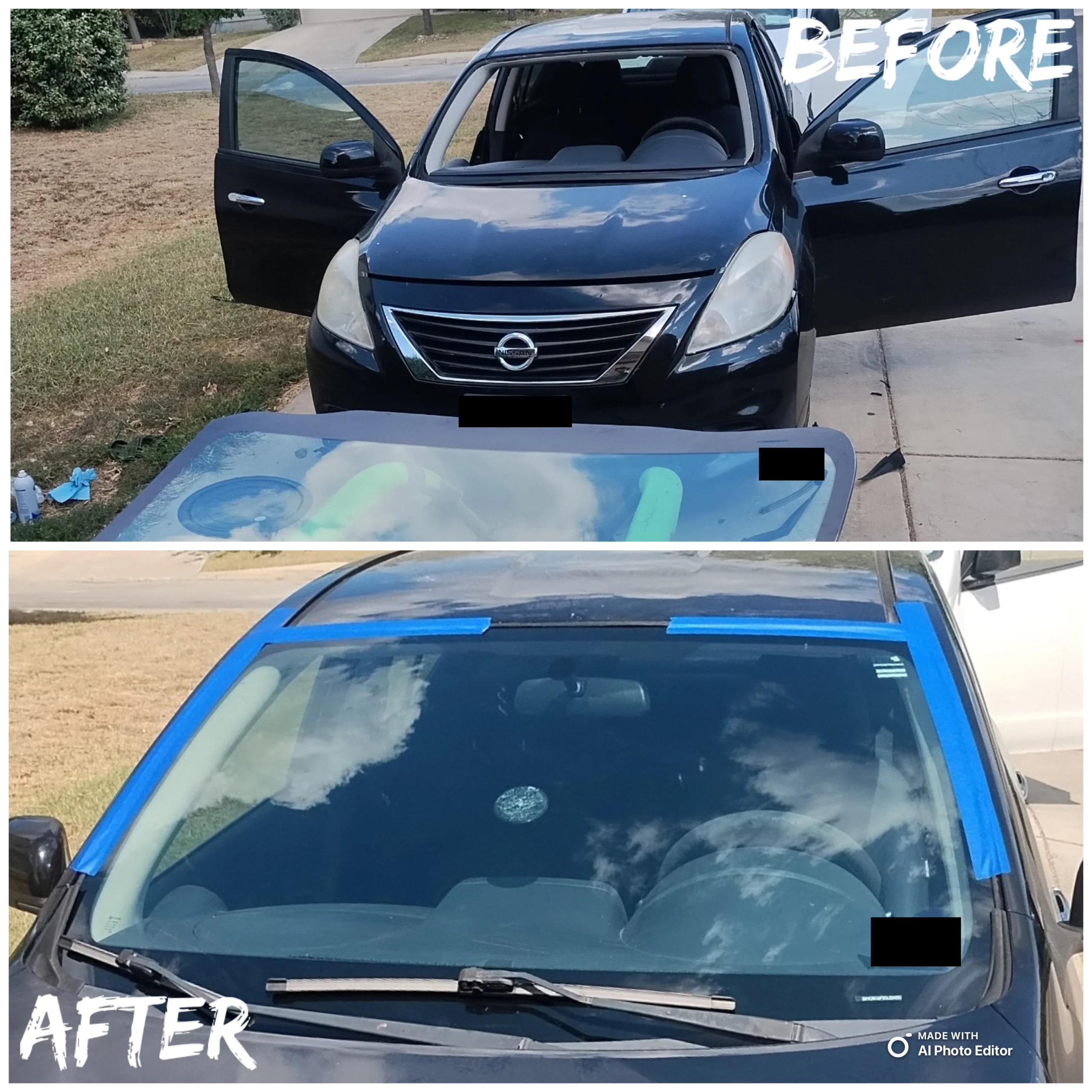
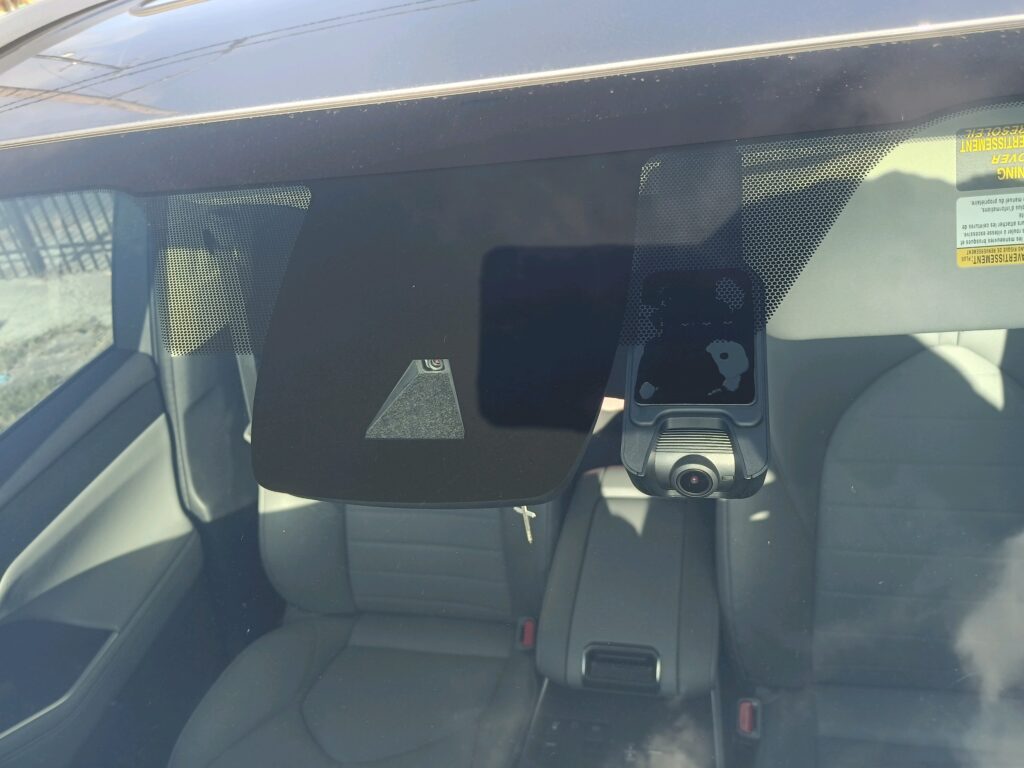
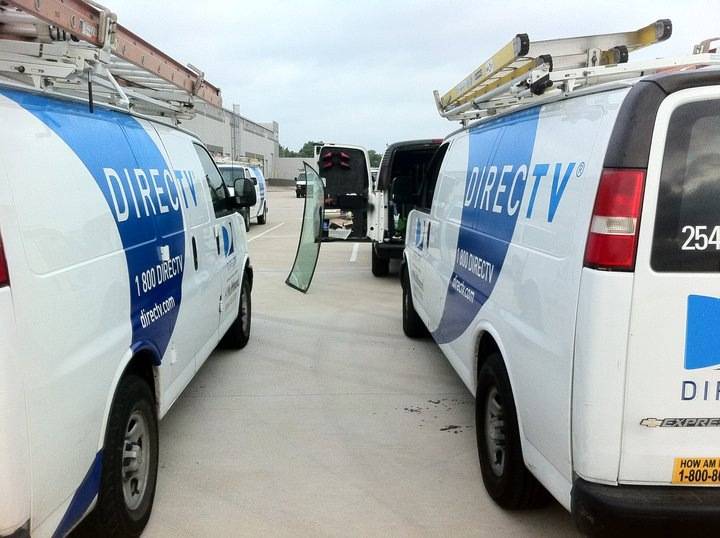
About the photos: These show general auto-glass work, not ADAS calibration.
Special Note:
After windshield replacement, check whether your vehicle’s cameras or sensors require recalibration under the manufacturer’s current repair instructions. Complete any required calibration and verification procedures before relying on the affected ADAS features. Keeping your windshield clean and maintained also helps keep the camera’s view clear.
Before your ADAS calibration appointment
- Vehicle details: Have the year, make, model and complete VIN ready.
- Repair history: Tell us whether the windshield has been replaced or replacement is planned.
- Location and procedure: Confirm the required setup, whether mobile service is suitable, and appointment availability.
- Manufacturer requirements: Required calibration and verification procedures should be completed according to the vehicle manufacturer’s current repair instructions.
The importance of recalibration: ADAS systems use information from cameras and sensors. Misalignment or incorrect calibration can affect their operation. Recalibration is required when specified by the vehicle manufacturer for the repairs, adjustments or system conditions involved.
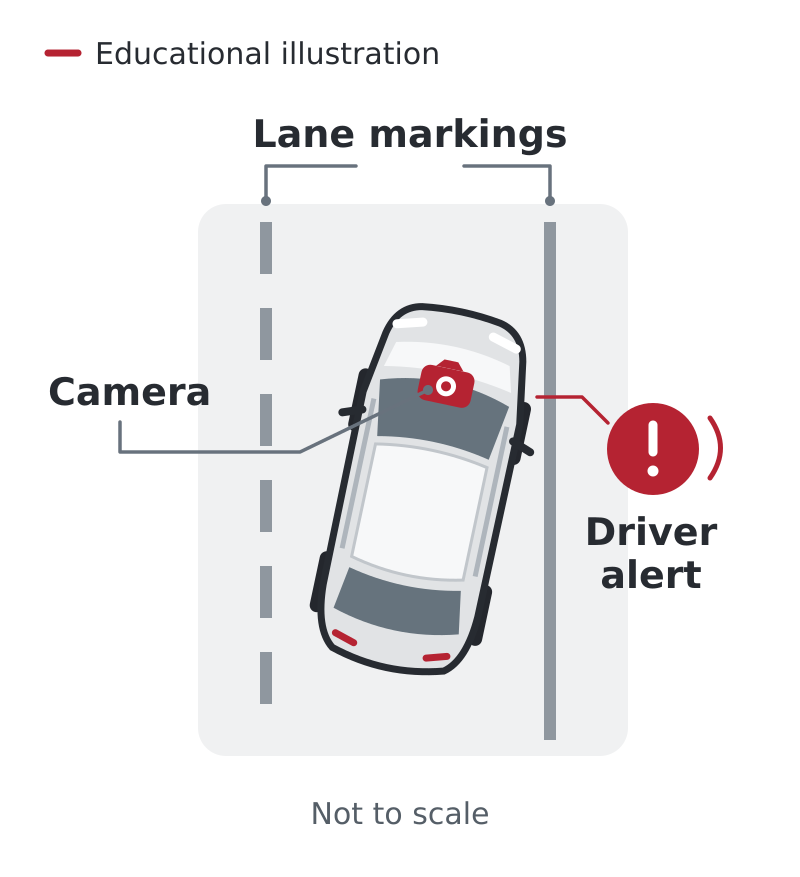
Lane-departure warning illustration
- The illustration shows a camera watching lane markings as a vehicle approaches a lane boundary.
- Depending on the vehicle, lane-departure warning may use a sound, display or vibration to alert the driver.
- A warning-only system does not steer the vehicle back into its lane.
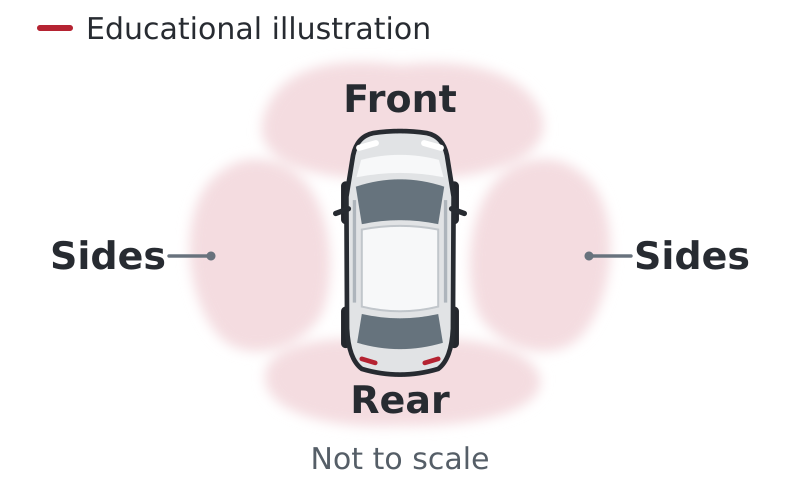
Examples of driver-assistance monitoring areas
- The diagram labels general front, side and rear areas.
- Ahead: examples include forward-collision warning and automatic emergency braking.
- Sides: examples include blind-spot warnings.
- Rear: examples include rear cross-traffic warnings when reversing.
- Cameras, radar and other sensors may support these features.
- Shading is conceptual, with no measured detection range.
- Features and limits vary by vehicle; check your owner’s manual.
- Keep full attention on driving.
- These original educational illustrations are not photographs of AAR work or instructions for calibration.
Request vehicle-specific ADAS availability
Send your vehicle details and service location to discuss recalibration. AAR offers mobile ADAS camera recalibration for $250 on applicable vehicles. Confirm whether the required procedure is available, where it can be performed, the total price and appointment arrangements.
Call 832-303-0318 or email info@aarautoglass.com. Calls and emails are welcome 24/7. Appointment availability is confirmed when booking.
- Houston
- Surrounding areas
- Call 832-303-0318 to confirm service for your vehicle and location.
- 7 Switchbud Place, Spring, TX 77380.
AAR Quote Request
Request a quote: Have your year, make, model, damaged glass and service address ready.
Call 832-303-0318 or email info@aarautoglass.com to discuss your vehicle’s glass and an appointment.
Contact AAR Auto Glass
ADAS Service and Appointment Details
Mobile ADAS camera recalibration is $250 on applicable vehicles. Confirm your vehicle’s requirements and the suitability of the proposed location with AAR before arranging the appointment.
AAR Auto Glass is open 24/7. Call 832-303-0318 or email info@aarautoglass.com. We’ll confirm the appointment’s date, time, location and vehicle requirements with you.
7 Switchbud Place, Spring, TX 77380.
What details are needed for a mobile ADAS appointment?
Provide the complete VIN, year, make, model, service address and the windshield or camera work involved. Call 832-303-0318 or email info@aarautoglass.com. AAR offers mobile ADAS camera recalibration for $250 on applicable vehicles in Houston and surrounding areas. We must confirm the manufacturer’s procedure, suitability of the location and appointment details. AAR is open 24/7; service is by appointment with no walk-ins.
What does ADAS mean for my vehicle?
Advanced Driver Assistance Systems use information from cameras, sensors or both to support certain driving functions. What a system can do depends on the vehicle and its equipment. These features assist the driver; they do not remove the need to pay attention and follow the vehicle’s operating instructions.
How can I tell which assistance features my car has?
Equipment differs by model year, model and trim, so do not assume every vehicle has the same cameras or sensors. Check the owner’s manual and provide AAR with the complete VIN when discussing windshield service. That helps identify the glass and calibration requirements that need to be reviewed.
Is camera calibration the same as repairing a damaged sensor?
No. Calibration follows a manufacturer-specified procedure; it does not replace repair or replacement of damaged cameras, sensors or mounting parts. AAR’s confirmed service is mobile ADAS camera recalibration on applicable vehicles. Share the damage and vehicle details so the available service can be confirmed, and follow the manufacturer’s requirements for damaged components.
Why must calibration be considered after a windshield replacement?
Changing the windshield or transferring its camera or sensor can trigger a manufacturer calibration requirement. Review the current repair procedure for the exact vehicle, including whether the work can be completed at the proposed location. A lack of warning lights does not establish that calibration is unnecessary. Send the complete VIN, year, make and model when requesting service.
Which driving features may use ADAS?
Depending on the vehicle, examples include lane-departure warning, adaptive cruise control, automatic emergency braking, blind-spot monitoring and parking assistance. Different features can use different cameras or sensors. Windshield-camera service should not be assumed to cover every assistance system on the vehicle.
Is calibration based on a fixed interval or on work performed?
Use the vehicle manufacturer’s current service instructions. Calibration may be required after windshield work, camera or sensor removal or replacement, collision repairs or other specified operations. Do not use a generic calendar interval or the absence of warning lights to decide that calibration is unnecessary.
What sensor disclosure applies to windshield replacement?
Review this AAR disclosure before service. Manufacturer-required calibration can be necessary even without a warning light or an apparent malfunction; the notice must not be read as limiting calibration to malfunctioning sensors.
IMPORTANT NOTICE:
ADAS DRIVER SAFETY SYSTEM CALIBRATION:
The customer acknowledges that certain windshields replaced (https://aarautoglass.com/warranty-information-disclosures/) by AAR Auto Glass may contain sensors for items such as lane departure warning system, lane keep assist, forward collision alert, collision assist, smart city brake, or any other sensor which controls the movement of the vehicle. AAR Auto Glass has given the customer notice that the original equipment manufacturer may require the windshield sensor to be recalibrated or programmed after it is transferred from the broken windshield to a new windshield.
AAR Auto Glass does not warrant or guarantee the proper function of any windshield sensor that was removed from a broken windshield.
The customer further acknowledges that it will be the customer’s sole responsibility and expense to confirm the proper operation of the windshield sensor, or to recalibrate or reprogram any malfunctioning sensor that was removed from the customer’s broken windshield.
Can a lightly damaged sensor simply be calibrated?
The size of a visible mark is not enough to establish that a camera or sensor is serviceable. Follow the manufacturer’s inspection and replacement instructions. Damaged components may need replacement before calibration can be completed; calibration should not be treated as a repair for physical damage.
What is the purpose of correct ADAS calibration?
Calibration establishes the camera or sensor alignment required by the vehicle manufacturer so the affected assistance features can operate as designed. It does not guarantee accident prevention or make the vehicle self-driving. Continue to follow the vehicle’s operating instructions and the limitations of its driver-assistance features.
Can dirt or Houston weather interfere with these systems?
Rain, dirt or an obstruction can affect what a camera or sensor detects. Keep the windshield and permitted exterior sensor areas clear according to the vehicle manufacturer’s care instructions. Do not touch or clean camera lenses unless those instructions specifically allow it; follow any warnings or operating limitations the vehicle displays.
How do I confirm insurance coverage for calibration?
Ask your insurer whether the required calibration is included with your windshield claim, whether a deductible applies and what documentation it needs. Confirm any claim and payment arrangements with AAR before scheduling. Your policy determines coverage; the need for calibration does not itself guarantee reimbursement.